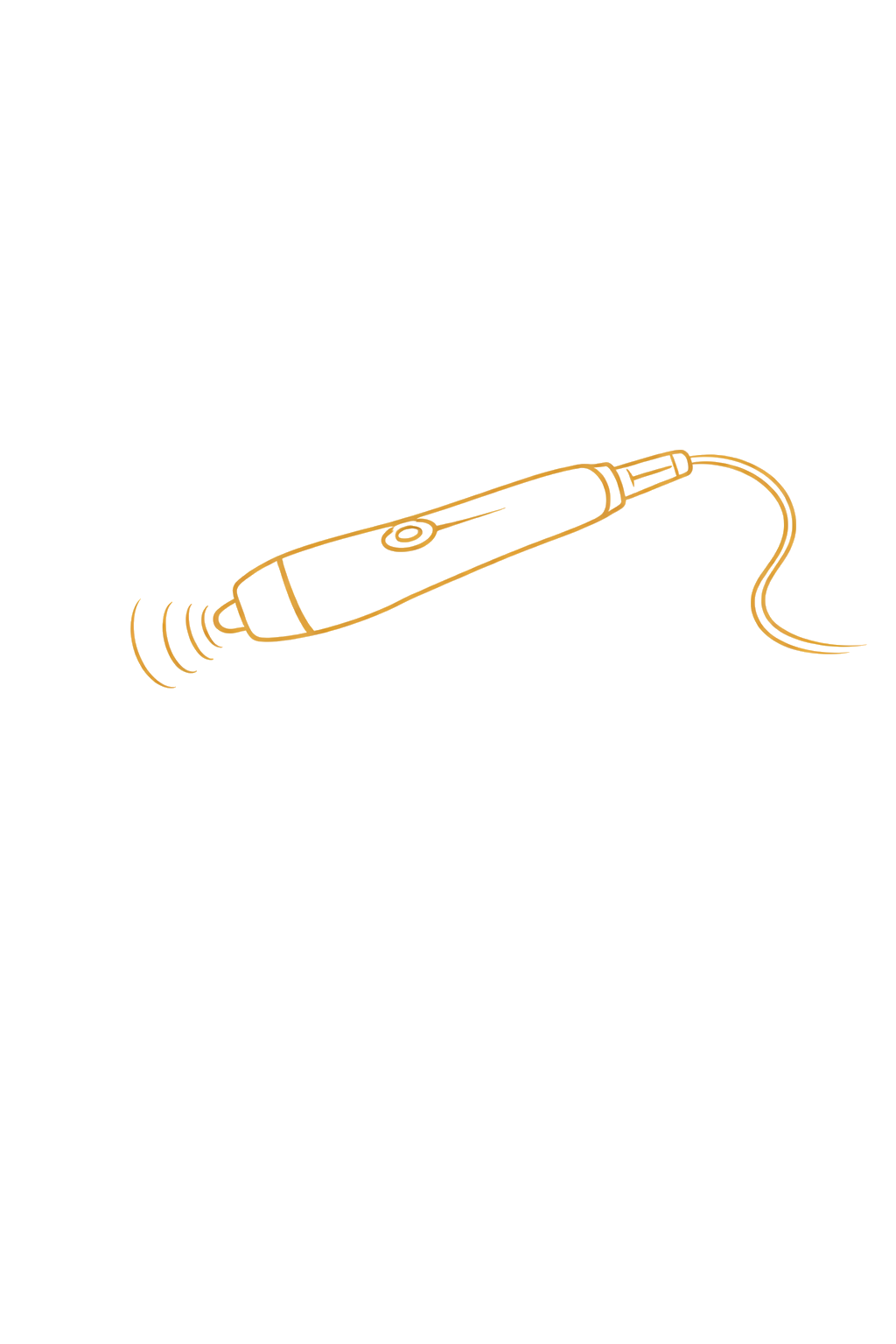
You’ve probably seen radiofrequency (RF) skin tightening mentioned on clinic websites and beauty blogs. It’s one of those treatments that sounds quite technical but is actually fairly straightforward once you understand what’s happening.
Here’s the plain version.
What radiofrequency skin tightening actually is
RF skin tightening uses controlled thermal energy, essentially radiofrequency waves, to heat the deeper layers of your skin. That heat triggers a natural response: your body starts producing new collagen and elastin to repair what it perceives as mild thermal disruption.
Collagen and elastin are the proteins that keep skin firm and bouncy. As you age, production slows down. By your mid-30s, you’re losing about 1% of your collagen per year. RF treatment is designed to kickstart production again.
The energy bypasses the surface of your skin (the epidermis) and targets the dermis and subcutaneous layers underneath. That’s why there’s no wound, no peeling, and minimal downtime compared to treatments that work on the skin’s surface.
What is TempSure?
TempSure Envi is the RF platform we use at BLAAH. You can read more about it on our TempSure skin tightening treatment page. It’s a medical-grade device that delivers consistent, controlled radiofrequency energy through a handheld applicator.
What makes TempSure different from some older RF devices is temperature monitoring. The system tracks skin temperature in real time and adjusts energy delivery to maintain the therapeutic range. That means the treatment stays effective without overheating, which reduces the risk of discomfort or adverse effects.
It’s cleared by the TGA (Therapeutic Goods Administration) for use in Australia.
What it feels like
This is one of the more comfortable treatments on the menu. Most people describe it as a warm massage. The applicator moves continuously across the treatment area, delivering heat that builds gradually.
It’s not painful. You’ll feel warmth that intensifies as the skin reaches the target temperature, then it stays at that level for the duration. Some areas are more sensitive than others. The forehead and around the jawline tend to feel warmer, but it shouldn’t be unbearable.
If it ever feels too hot, we adjust the settings. Communication during treatment is important and we check in with you throughout.
What areas can be treated
RF skin tightening is commonly used on:
- Face — cheeks, forehead, around the eyes
- Jawline — for mild laxity and jowling
- Neck — often one of the first areas to show ageing
- Under the chin — sometimes called the “double chin” area
Some RF devices can also treat body areas like the abdomen, arms and knees, though facial treatments are the most popular.
Treatment time depends on the area. A full face session typically takes 30-45 minutes. Adding the neck brings it closer to an hour.
Let’s be realistic about what RF can do
This is important. RF skin tightening is not a surgical facelift. It won’t produce the same degree of lift or tightening that surgery can.
What it can do is improve mild to moderate skin laxity, refine skin texture, and give you a subtle tightening and firming effect. Think of it as turning back the dial a notch rather than flipping a switch.
It works well for people who are noticing early signs of laxity but aren’t ready for (or interested in) surgical options. If you have significant sagging, RF alone may not deliver the results you’re after.
During a consultation, we’ll give you an honest assessment of what RF can realistically achieve for your specific concerns. Managing expectations upfront is better than disappointment later. If you’re unsure what a consultation involves, read our guide on what happens at your first cosmetic consultation.
How many sessions you’ll need
Most people see the best results with a series of treatments. We typically recommend:
- 3-5 sessions spaced 2-4 weeks apart for an initial treatment course
- Maintenance sessions every 3-6 months to sustain results
Some people notice a subtle tightening effect straight after their first session. That’s from the immediate contraction of existing collagen fibres due to the heat. But the real results, the new collagen production, build gradually over weeks and months.
You’ll generally start to see noticeable improvement about 4-6 weeks after your first treatment, with results continuing to develop for up to 3 months after your final session.
Collagen remodelling is a slow process. Your body is building new structural proteins, and that takes time. Patience matters here.
Before your appointment
There’s not a lot of specific prep required, which is one of the nice things about RF.
- Come with clean skin, no makeup or heavy skincare products on the treatment area.
- Stay well hydrated. Hydrated skin conducts RF energy more effectively.
- Avoid excessive sun exposure in the days leading up to treatment. Sunburnt skin shouldn’t be treated.
- Let us know about any medical conditions, implanted devices (pacemakers, metal implants), or medications you’re taking.
Aftercare
Recovery is minimal. Most people go straight back to their day after treatment.
- Mild redness and warmth are normal and usually fade within an hour or two.
- Apply SPF 50+ daily. While RF doesn’t damage the skin surface, protecting your skin from UV is always important when you’re investing in collagen health.
- Stay hydrated.
- You can apply makeup and resume your normal skincare routine immediately.
- Avoid very hot environments (saunas, hot yoga) for 24 hours.
Who it suits
RF skin tightening works well for:
- People in their 30s-60s noticing mild to moderate skin laxity
- Anyone looking for a non-surgical option with minimal recovery
- People who want subtle, gradual improvement rather than dramatic change
- Those who want to maintain results from other treatments
Who should avoid it
RF treatment may not be suitable if you:
- Have a pacemaker or other electronic implanted device
- Have metal implants in the treatment area
- Are pregnant
- Have active skin infections, rashes or open wounds on the treatment area
- Have a history of keloid scarring
Possible risks and side effects
RF skin tightening is generally well-tolerated, but no treatment is entirely without risk.
Common side effects include temporary redness, mild swelling and warmth. These are expected and typically resolve within hours.
Uncommon side effects can include prolonged redness, tenderness, or in rare cases, superficial burns. The risk of adverse effects is lower with temperature-monitored devices like TempSure, but it’s still important to have treatment performed by trained practitioners who know how to adjust settings appropriately.
Is it worth it?
That depends on what you’re after. If you’re looking for a comfortable treatment with minimal recovery that gradually firms and tightens your skin, RF is worth considering. If you’re expecting a dramatic lift, you’ll likely be disappointed.
The best candidates are people with realistic expectations who understand that this is a gradual process, not an overnight fix.
If you’d like to find out whether RF skin tightening is a good fit for your concerns, book a consultation at our Penrith clinic. We’ll have a proper look at your skin, talk through what you’re hoping to achieve, and give you a straight answer about whether this treatment can help. You can also check our FAQ page or pricing page for more details.
